

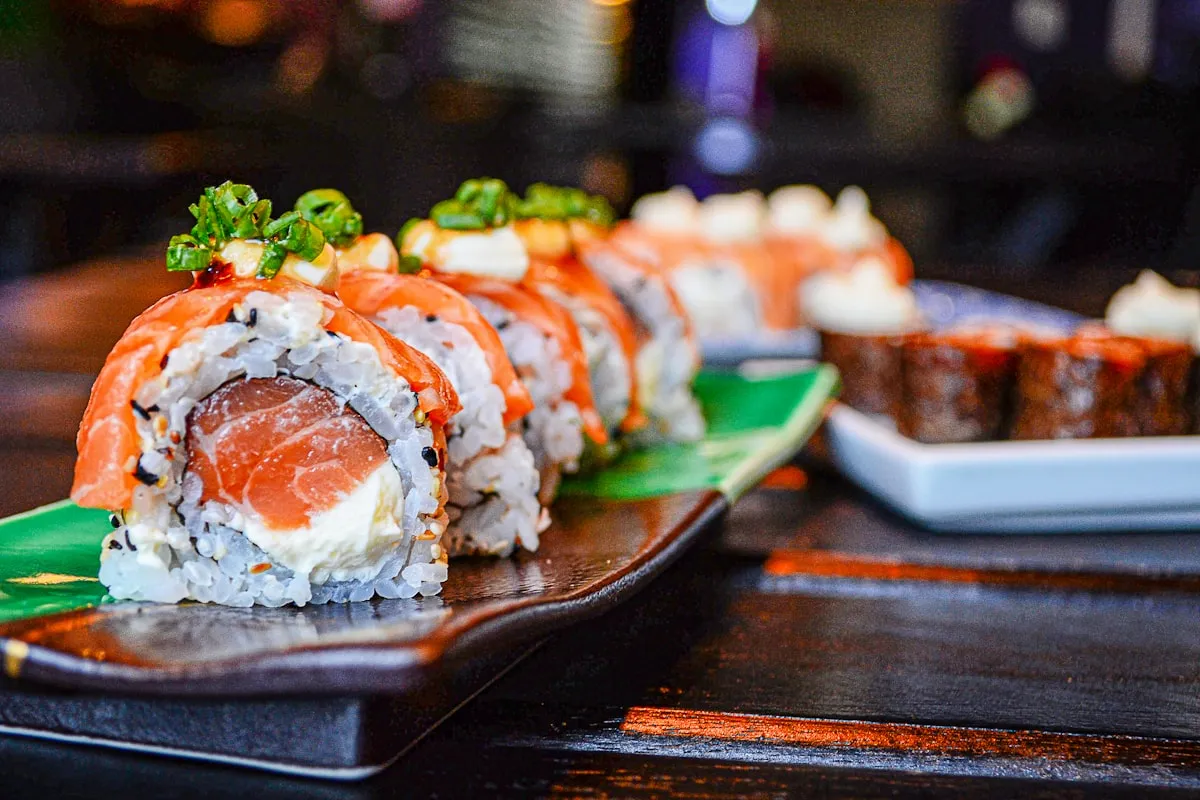
The Unsung Hero: Why Sushi Rice Matters More Than the Fish
Great sushi is 70% rice. Discover why the preparation of sushi rice — washing, seasoning, and fanning — is the true mark of a master chef.
Walk into any sushi restaurant and your eyes likely drift to the glistening cuts of fish behind the counter — the ruby-red tuna, the buttery salmon, the electric-orange sea urchin. The fish is the star, right?
Wrong.
The secret to extraordinary sushi isn’t the fish. It’s the rice.
At Kyoto Garden, head chef Koshi will tell you: “The fish is easy. Anyone can cut fish. The rice — that’s everything.”
The Philosophy: Rice as the Foundation
In Japanese, there’s a phrase: shari ni kanpeki — “to the rice, add perfection.” The rice is the foundation upon which everything else is built. If the rice is off, no amount of premium fish can save the meal. If the rice is perfect, even simple fish becomes extraordinary.
This philosophy dates back to Edo-period Tokyo (the 1800s), when nigiri-zushi was first created. The dish was originally designed as a way to preserve fish — the rice was pickled with vinegar to keep the fish fresh. Over time, the focus shifted, but the principle remained: the rice is the heart of the dish.
What Goes Into Great Sushi Rice?
It starts with the rice itself. Not just any rice will do.
The Rice
Japanese short-grain rice (Japonica) is the only choice. Its starch composition — high in amylopectin — creates the sticky, cohesive texture essential for nigiri. When pressed together, the grains should cling just enough to hold their shape but fall apart gently on the tongue.
We use premium Japanese rice, sourced to ensure consistent quality. But rice is just the beginning.
Washing
Before cooking, the rice must be washed — thoroughly. This removes excess starch from the surface of the grains, which would otherwise make the cooked rice gummy and dull.
At Kyoto Garden, the rice is washed multiple times until the water runs clear. This isn’t just tradition; it’s essential. The washing also removes any dust or debris and ensures the rice cooks evenly.
Cooking
The rice is cooked in a specialised rice cooker (or donabe — the traditional clay pot) with slightly less water than you’d use for regular rice. The result should be firm but not hard, with each grain distinct yet cohesive.
Seasoning
Here’s where the magic happens. Freshly cooked rice is immediately dressed with a mixture of:
- Rice vinegar — The backbone; provides acidity and that signature tang
- Sugar — Balances the acidity; the amount varies by season and chef preference
- Salt — A subtle amount to round out the flavours
- Kombu — Sometimes a strip of kelp is added for extra umami
The dressing must be mixed into the rice while it’s still warm — warm rice absorbs the seasoning better than cool rice. And it must be fanned while mixing. The fanning cools the rice rapidly and creates a subtle gloss on each grain.
The Temperature
Perfect sushi rice is served at body temperature — around 35°C. Too hot and the fish cooks on contact. Too cold and the flavours don’t open up. Achieving and maintaining this temperature is one of the reasons sushi chefs work so quickly and why the rice is often kept in a specially heated wooden tub (hangiri).
The Technique: Shaping Nigiri
Raw fish on rice — that’s nigiri. But the shaping is an art form.
The Right Amount
A piece of nigiri should be about the size of two bites. Too much rice and the fish-to-grain ratio is wrong; too little and it feels insubstantial.
The Press
The chef cups the rice in their palm and applies pressure with their thumb and fingers — not crushing it, but compressing it just enough to hold together. The pressure should be consistent throughout so the nigiri doesn’t crumble or fall apart.
The Finish
Finally, the chef drags the fish across the rice a few times — this applies a thin layer of rice to the underside of the fish, helping it adhere. Then the nigiri is placed on the plate, often brushed lightly with soy sauce or topped with a smear of wasabi.
The entire process, from rice to plate, takes seconds. But those seconds represent years of practice.
Why It Matters
Great sushi rice has three qualities:
- Stickiness — The grains cling together without being gummy
- Gloss — A subtle sheen from proper fanning and mixing
- Flavour — A delicate balance of sweetness, acidity, and umami
When you eat nigiri at Kyoto Garden, you’re tasting rice that’s been perfected over decades. Each grain carries the chef’s skill, the temperature carefully controlled, the seasoning precisely calibrated.
The Fish Matters Too (Of Course)
We’re not saying the fish doesn’t matter — it absolutely does. The fish at Kyoto Garden is the freshest we can source, often arriving the same day it’s caught. But even the finest tuna is elevated by perfect rice.
Think of it this way: the fish is the soloist, but the rice is the orchestra. Without the orchestra, the soloist sounds thin. With it, the music becomes交响 — a symphony.
Next Time You Visit
When you enjoy nigiri at Kyoto Garden, pay attention to the rice. Notice how it holds together when you pick it up. How it yields gently to your bite. How the vinegar notes dance with the fish’s fat.
That’s not an accident. That’s craft.
Experience the art of perfect sushi at Kyoto Garden. Reserve your table online and taste the difference that rice makes.